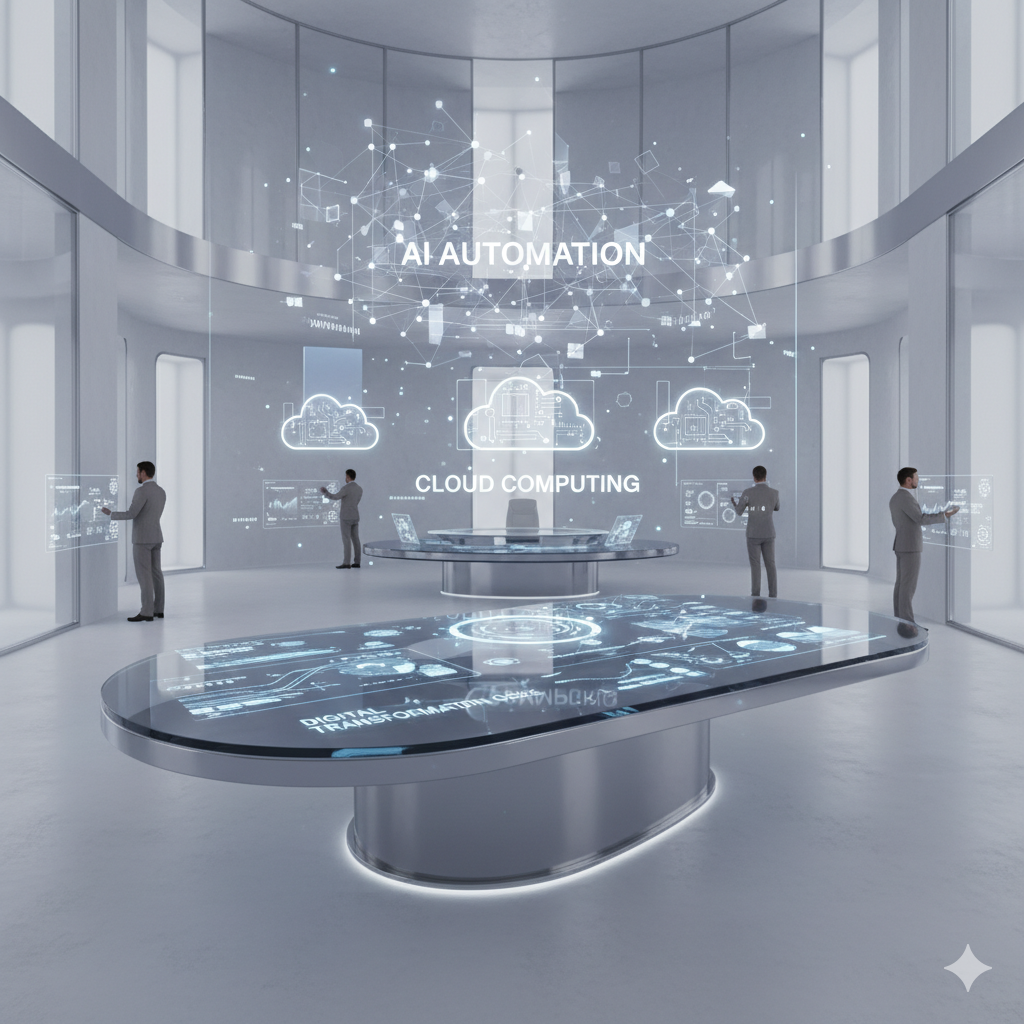
1. AI-Powered Automation Becomes Mainstream
Artificial Intelligence is no longer optional. In 2026, most businesses will rely on AI tools to automate customer service, content creation, marketing campaigns, analytics, and everyday workflows.
What it means for businesses:
-
Faster operations
-
Better decision-making
-
Cost savings
-
Improved customer experience
2. Hyper-Personalization Across All Platforms
Customers now expect brands to understand their needs instantly. With advanced AI and data tracking, personalization becomes deeper and more precise.
Examples:
-
Personalized website content
-
Tailored recommendations
-
Smart email/WhatsApp automation
-
Dynamic pricing models
This shift increases customer satisfaction and boosts conversions.
3. Cloud-First Infrastructure Dominates
Cloud platforms like AWS, Google Cloud, and Azure continue to replace traditional servers.
Benefits:
-
99% uptime
-
High security
-
Scalability during growth
-
Faster website & app performance
By 2026, businesses not using cloud infrastructure will struggle with speed, reliability, and data accessibility.
4. Rise of No-Code & Low-Code Development
Startups and small businesses are rapidly adopting no-code/low-code tools to build websites, dashboards, and automation without deep programming expertise.
Why it matters:
-
Faster product development
-
Lower cost
-
Easy experimentation
-
Reduced dependency on technical teams
This unlocks digital opportunities for every type of business.
5. Customer Data Platforms (CDPs) Become Essential
As customer journeys spread across multiple channels, companies need unified data.
CDPs merge customer information from:
-
Website
-
CRM
-
Social media
-
Mobile apps
-
Sales platforms
This single customer view helps brands deliver powerful, personalized experiences.
6. Digital Security Takes Center Stage
Cyber threats continue to grow. In 2026, businesses invest heavily in security tools such as:
-
Multi-factor authentication
-
Strong data encryption
-
Zero-trust security models
-
AI-driven threat detection
Security becomes a non-negotiable part of digital strategy.
7. The Growth of Conversational Experiences
Chatbots, voice assistants, and AI conversational tools are becoming standard.
Example use cases:
-
Instant support
-
Lead qualification
-
Automated FAQs
-
Personalized buying assistance
Businesses using conversational AI will see higher engagement and customer satisfaction.
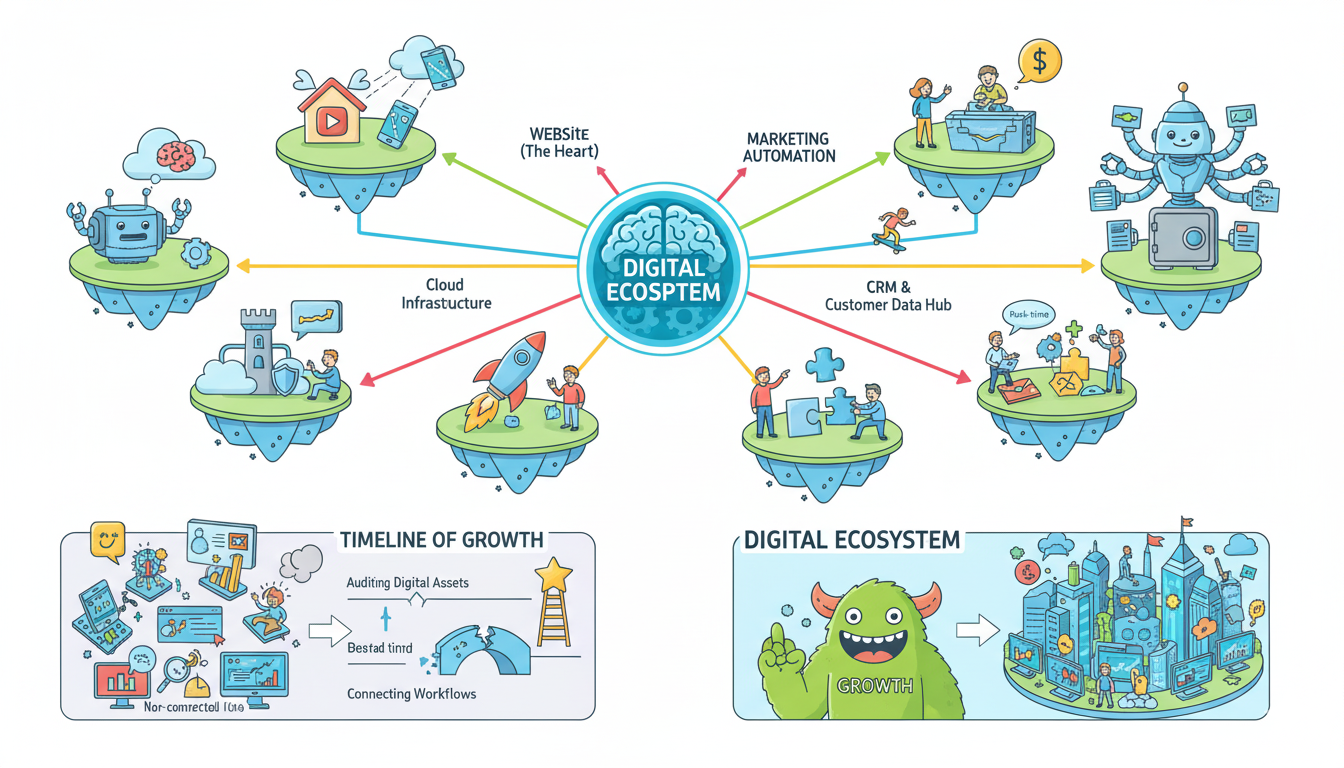
8. Digital Ecosystems Continue to Expand
Similar to your previous blog, ecosystems integrate:
-
Website
-
CRM
-
Automation tools
-
Analytics
-
Social media
-
Cloud services
In 2026, digital ecosystems become the backbone of efficient operations and scalable growth.
Conclusion
Digital transformation is no longer something to plan for—it’s happening now. Businesses that embrace these trends early will gain a competitive edge, reduce operational costs, and build stronger relationships with customers.
2026 is the year to innovate boldly, automate intelligently, and create digital experiences that truly stand out.


No comments yet. Be the first to share your thoughts!