Table of Contents
- ✔ They Make Interfaces More Human
- ✔ They Improve Usability
- ✔ They Enhance User Engagement
- ✔ They Build Brand Identity
- 1. Trigger-Based Interactions
- 2. System Status Indicators
- 3. Navigational Microinteractions
- 4. Feedback Interactions
- 1. Keep Them Subtle
- 2. Prioritize Speed
- 3. Match Brand Personality
- 4. Focus on Utility First
As digital experiences evolve, users expect interfaces that feel smooth, intuitive, and emotionally engaging. This shift has made microinteractions one of the most essential UI/UX trends for 2026.
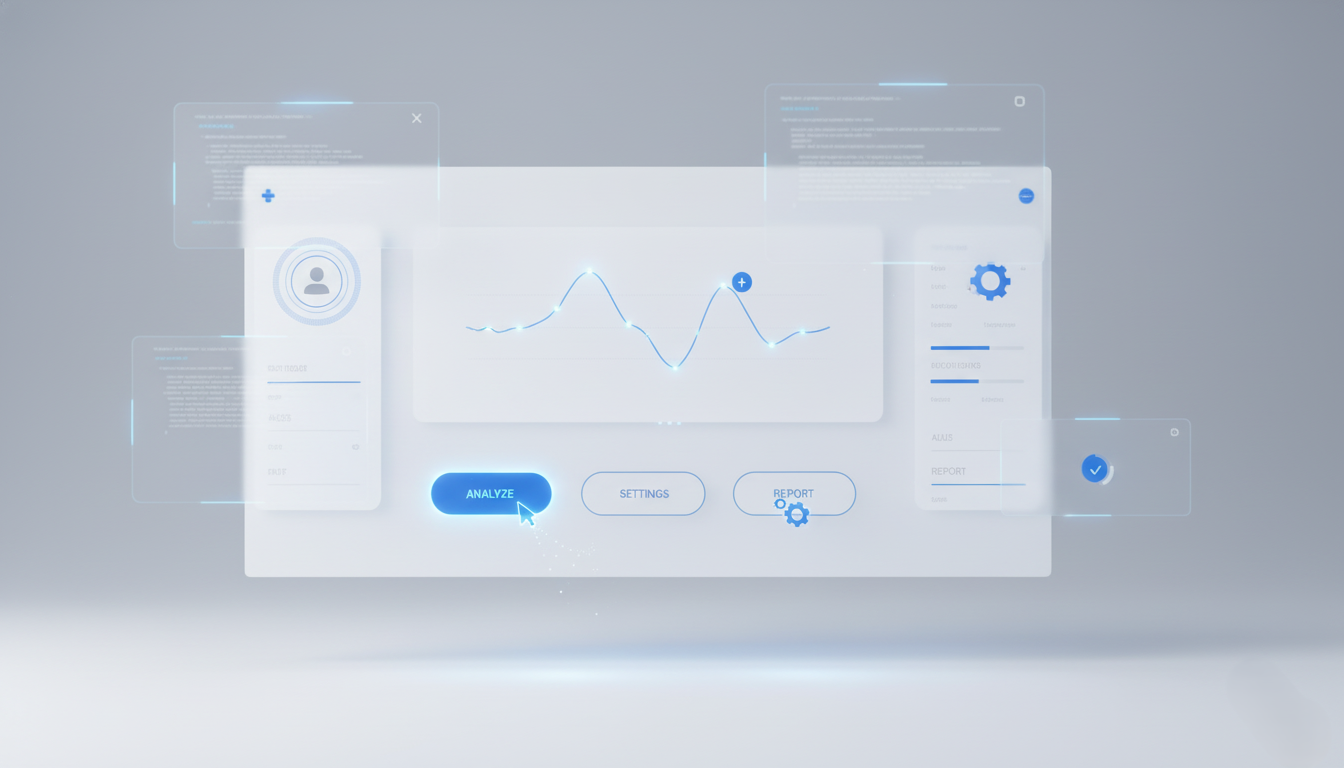
Microinteractions are small, subtle animations or responses that guide users, confirm actions, and improve overall usability.
In this blog, we explore why microinteractions matter, how they shape user behavior, and why they are becoming a core requirement in modern product design.
1. What Are Microinteractions?
Microinteractions are tiny interactive moments within an interface.
Examples include:
-
A heart animation when you like a post
-
A subtle vibration or haptic feedback
-
A loading spinner that reacts to progress
-
A button changing color on hover
-
A “success” tick after form submission
Even though they are small, they make a big impact on user satisfaction.
2. Why Microinteractions Matter in 2026
✔ They Make Interfaces More Human
Users feel emotionally connected when interfaces respond to their actions. These moments create delight and reduce friction.
✔ They Improve Usability
Microinteractions guide users step-by-step, making apps easier to understand without long instructions.
✔ They Enhance User Engagement
Even simple animations increase time spent on platforms and encourage repeated interactions.
✔ They Build Brand Identity
Unique transitions, animations, and responses make your digital product memorable and recognizable.
3. Types of Microinteractions Designers Use
1. Trigger-Based Interactions
Activated by user actions like tapping, scrolling, clicking, or swiping.
2. System Status Indicators
Animations that show loading, uploading, syncing, or saving.
3. Navigational Microinteractions
Smooth transitions between screens, hover effects, or menu animations.
4. Feedback Interactions
Confirmations (success, error, warning) that reduce user confusion.
4. Best Practices for Designing Microinteractions
1. Keep Them Subtle
They should enhance experience—not distract the user.
2. Prioritize Speed
Animations must be fast, natural, and responsive.
3. Match Brand Personality
Playful brands can use more energetic animations.
Professional brands should opt for minimal, clean motions.
4. Focus on Utility First
Design microinteractions that solve usability issues before adding decorative animations.
5. Tools Designers Use for Microinteractions
-
Figma Smart Animate
-
After Effects
-
LottieFiles
-
Protopie
-
Framer
These tools allow designers to create lightweight, high-quality interactions without heavy development work.
Conclusion
Microinteractions are no longer optional—they are a core ingredient of exceptional UI/UX design in 2026.
They elevate user experience, reinforce branding, and transform simple digital interfaces into meaningful, memorable journeys.
Businesses that invest in thoughtful microinteraction design will set new standards for engagement and usability.


No comments yet. Be the first to share your thoughts!